The Global Chip Crisis: Lessons Learned from the Digital Bottleneck

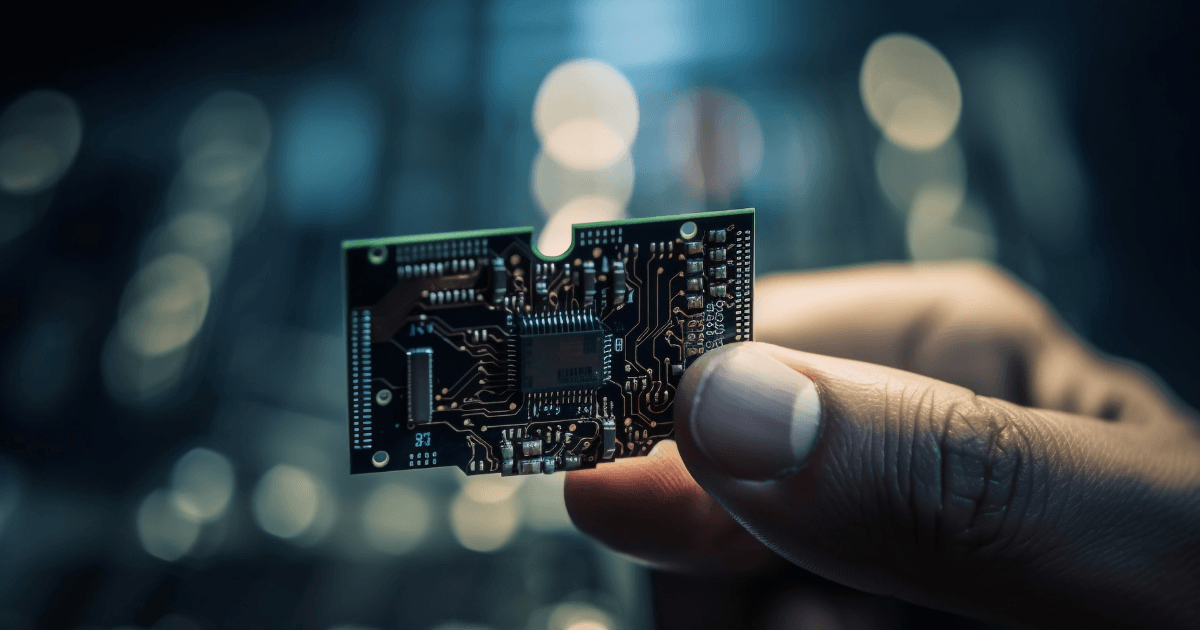
From our smartphones and electric vehicles to our household appliances, the heart of modern life relies on a tiny but vital component: the semiconductor (chip). The "Chip Crisis" that recently shook the global economy was not just a temporary manufacturing glitch; it was a historic turning point that revealed how heavily the digital world relies on a fragile supply chain. This hardware bottleneck had a direct impact on server costs, cloud-based software, and overall e-commerce infrastructure.
What Triggered the Crisis?
There was no single cause for this massive bottleneck. Instead, it was a "perfect storm" of several converging factors:
- The Pandemic and Demand Surge: The sudden shift to remote work and distance learning caused an unprecedented spike in demand for computers and tablets.
- Supply Chain Disruptions: Logistical breakdowns exposed the vulnerabilities of the supply chain, highlighting the critical need for transparency and traceability. To prevent future crises, tools like the Digital Product Passport (DPP) are expected to play a crucial role in managing supply networks.
- Geographical Concentration: With the vast majority of global chip production concentrated in just a few Asian countries, the entire system proved highly vulnerable to localized risks.
From Today to Tomorrow: What Lies Ahead?
While the initial shock has largely passed, the echoes of the crisis have permanently altered the industry. As highlighted by reports from the Semiconductor Industry Association (SIA), governments now view chip manufacturing as a matter of "national security," pouring billions into subsidies to build massive domestic foundries. Meanwhile, the rapid rise of artificial intelligence (AI) technologies has pushed the demand for specialized processing chips to an entirely new level.
In conclusion; the tech world has learned a hard lesson and is now building more resilient, flexible systems. At Codenteq, we closely monitor every stage of digital transformation—from hardware to software—and integrate this forward-thinking vision into all our projects.